Tips for Working from Home Effectively

I've worked remotely for about two years and developed ways to work from home effectively and achieve an outstanding work-life balance.
As the boundaries between professional and personal life blur, it's essential to prioritize your well-being and ensure a healthy and successful work-from-home (WFH) experience.
This article provides essential tips for navigating the remote era and balancing work responsibilities and personal life.
Have a routine

Everyone is different, and not everyone is routine-oriented.
However, having a routine helps increase productivity, better time management, reduce external distractions, and manage stress.
To develop a routine, identify if you're a morning or evening person, and create a routine around your preference. Understand in which part of the day you're mostly productive and focused.
Routine is a personal subject, and the best routine is the one that works for you and gets you your desired results.
Exercise

Working from home often enables people to become more physically inactive.
Exercising gives you more energy throughout the day and helps you stay in shape.
Get enough sleep

Getting enough sleep will ensure you operate at full capacity throughout the day.
Adequate sleep helps you stay focused and reduces brain fog.
What I've found helpful to have a good night's sleep is to wear earplugs and a night mask and reduce screen time 30 minutes to an hour before bed.
Some people enjoy listening to relaxing music to fall asleep.
Find your way to have a good night's sleep.
Create a dedicated workspace
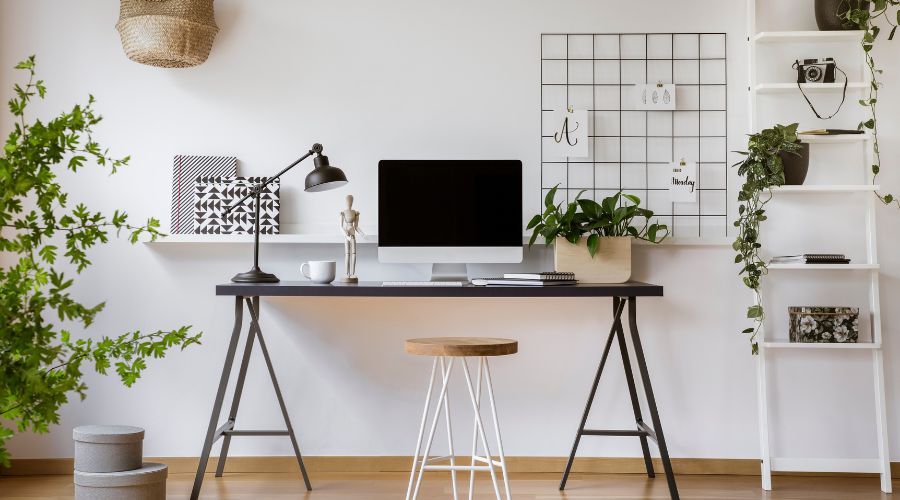
Creating a dedicated workspace is crucial for maintaining focus and maximizing productivity remotely.
Without a designated area for work, it's easy to get distracted by household chores, family members, or other personal responsibilities.
Consider lighting, ergonomics, and noise levels when setting up your workspace.
Ensure you have a comfortable chair, a suitable desk, and proper lighting to minimize physical discomfort and strain.
Organize your workspace to promote efficiency and allow easy access to necessary tools and resources.
Personalize your workspace with inspiring items and create a positive work environment.
Plants, artwork, or motivational quotes can help boost your mood and well-being while working.
Invest in ergonomic equipment
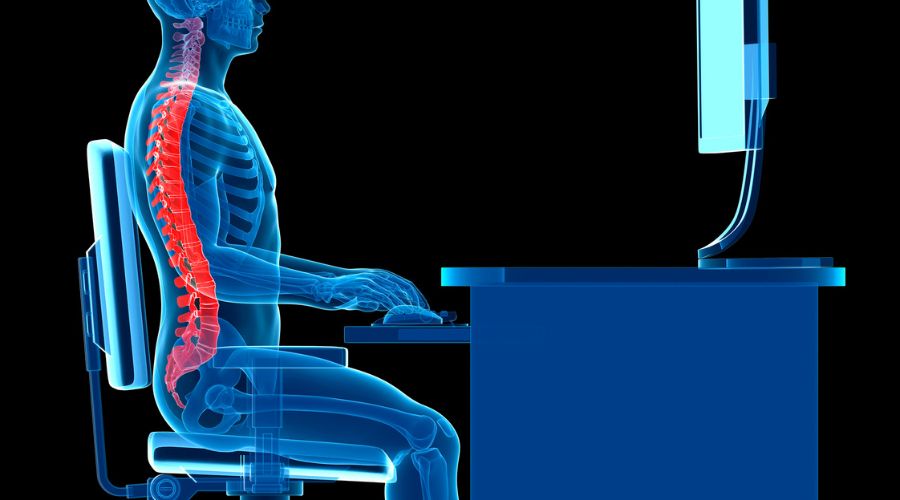
Investing in ergonomic equipment makes you feel more comfortable, reduces body aches, and increases productivity.
Ergonomic equipment involves:
A high-quality office chair.
An ergonomic mouse.
A laptop stand.
A standing desk.
Take breaks every hour

It's easy to forget to take regular breaks when working from home.
Take breaks every hour. Ideally, your break would be 15/20 minutes long.
During your break, you can:
Have a short walk.
Do some stretching.
Take a quick nap.
Complete a small household chore.
Do some meditation.
When taking a break, do an activity that doesn't involve a screen.
Have an end-of-day ritual

Having an end-of-day ritual helps you unplug from work.
Working from home can blur the lines between "work" and "life" because your work is at home and perhaps even in the same room you sleep.
Consider adding an end-of-day ritual to mark the end of the working day and the start of your time.
A ritual can be:
Writing a to-do list for the next day.
Playing your favourite music.
Doing some yoga.
Journalling.
Listening to a podcast.
Tidying up your desk.
Spending time with family or a pet.
Block out time in your calendar
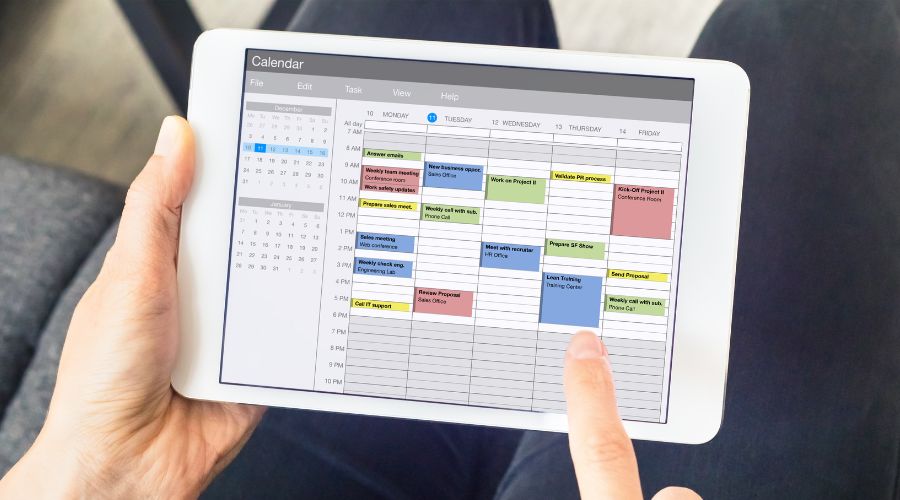
If you struggle with taking regular breaks and managing your time, consider using your work calendar to block time to accomplish your tasks.
Your work calendar sends you notifications and therefore helps you stay on top of your time.
In your calendar, you can block out time for:
Regular breaks.
Deep-work time.
Lunch.
Have hobbies outside of work

Having hobbies outside of work helps with further achieving work-life balance.
Ideally, your hobby should be an activity that takes you outside of the house so you're not spending too much time in the same place where you work.
Sports and volunteering are great additions to your routine.
Keep your desk organized
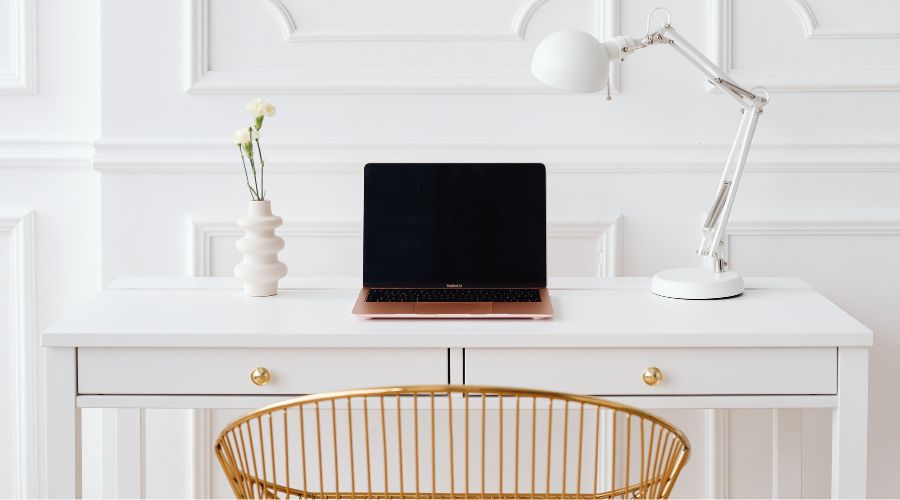
Keeping your desk organized can give you a better sense of clarity and relaxation.
It also increases productivity because you know where you keep your items and don't have to spend time searching for them.
Change scenery

You may become reluctant to change when you have a comfortable work-from-home setup.
However, consider changing scenery from time to time.
You can work from a cafe or co-working space at a friend's house.
Anywhere you can access WiFi, and a desk/table is suitable for working.
Talk to your colleagues

Maintaining social connections and staying connected with colleagues is essential for a healthy work-life balance, especially in remote work.
Without coworkers' physical presence, finding alternative ways to foster social interactions and maintain a sense of community is essential.
Schedule regular virtual meetings or team-building activities to connect with your colleagues. This can include virtual coffee breaks, team lunches, or informal catch-up sessions.
Join online communities or professional networks related to your field of work.
Engaging with like-minded professionals can provide valuable support, advice, and networking opportunities.
These connections can help combat feelings of isolation and enhance your work-life balance.
Make an effort to reach out to colleagues for non-work-related conversations.
Building personal connections and engaging in casual conversations can help create a more inclusive and supportive remote work environment.
Visit your office

If you can, visit your office from time to time.
Visiting your office makes you feel less lonely and allows you to build relationships with people outside your team.
Final thoughts
As the remote era becomes increasingly prevalent, it's essential to prioritize work-life balance to ensure a healthy and successful work-from-home experience.
Remember, achieving work-life balance is a continuous process that requires ongoing effort and adjustment.
Experiment with different strategies and find what works best for you.
By prioritizing work-life balance, you can thrive in the remote era, enjoy the benefits of remote work, and lead a fulfilling and successful professional and personal life.
If enjoyed this article, subscribe to my FREE weekly newsletter, where I share more content like this.